Moalboal Factbook
Essential facts and figures about Moalboal - from official statistics to local insights.
Quick Facts
At a Glance
Province
Cebu
Region
VII
Central Visayas
Land Area
124.86 km²
Population
36,930
2020 Census
Zip Code
6032
Municipality
1st
Class (2024)
Additional Details
Coordinates
9°56'N, 123°24'E
Elevation
7.3 meters
Population Density
296/km²
Households (2015)
7,284
Median Age
24.64 years
Time Zone
PHT (UTC+8)
About Moalboal
Moalboal, officially the Municipality of Moalboal, is a 1st class municipality in the province of Cebu, Philippines (reclassified from 4th class in 2024). Known as the "Diving Capital of the South," it has earned international recognition for its extraordinary marine biodiversity, including the famous sardine run and resident sea turtles.
According to the 2020 Census, Moalboal has a population of 36,930, representing about 1.11% of Cebu province's total population. The municipality experienced a growth rate of 3.66% annually between 2015 and 2020.
Geography & Location
Moalboal occupies a peninsular position at the southwestern tip of Cebu Island, approximately 89 kilometers (55 miles) south of Cebu City. By public transport, the journey takes approximately 3 hours. The municipality covers a land area of 124.86 square kilometers (48.21 square miles), representing 2.53% of Cebu's total area.
The municipality is bounded by:
- North: Municipality of Alcantara
- South: Municipality of Badian
- East: Municipality of Argao
- West: Tañon Strait (facing Negros Island)
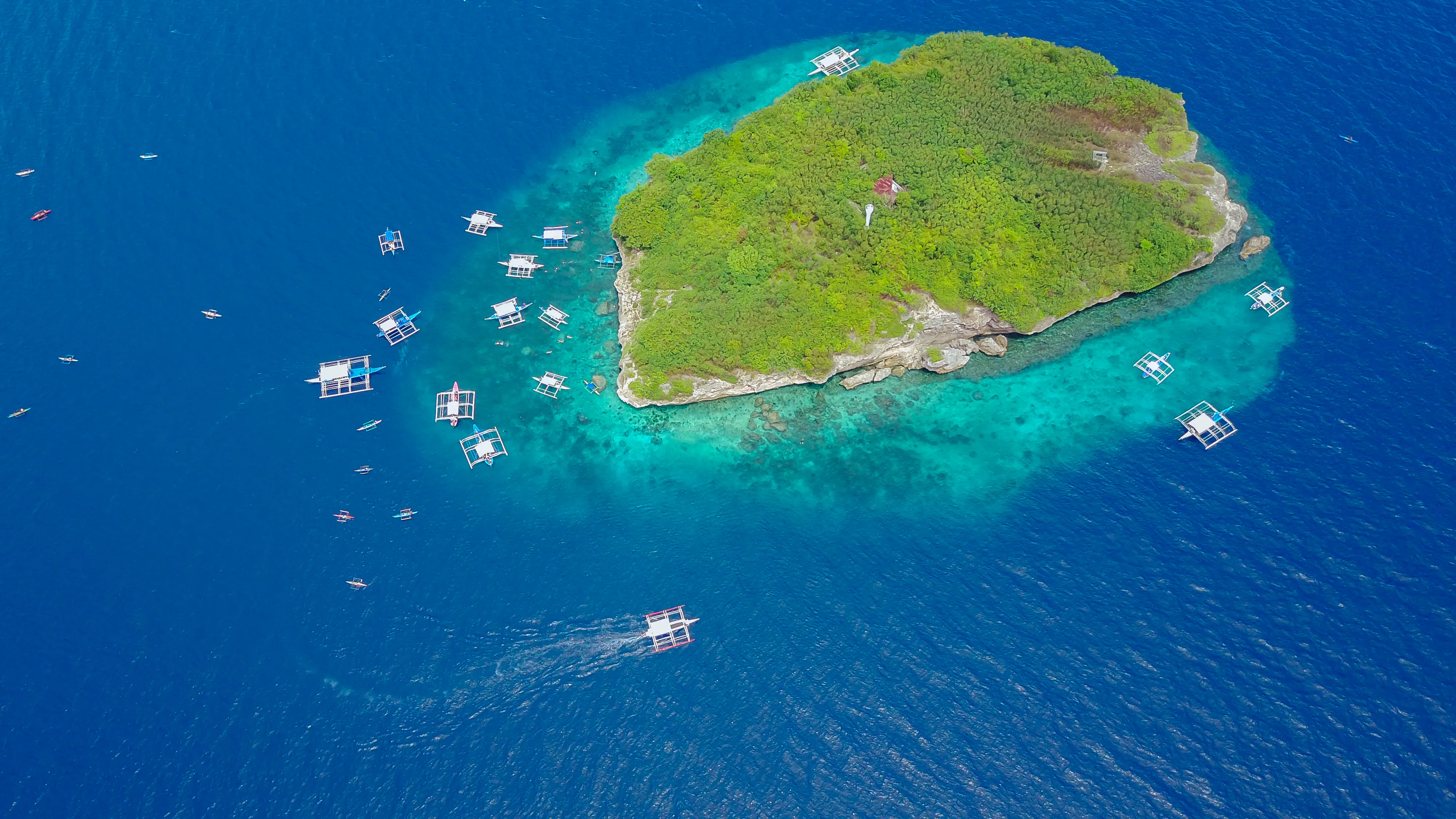
The terrain is characterized by coastal lowlands rising to rugged uplands inland. The Tañon Strait, one of the richest marine biodiversity areas in the Philippines, lies to the west. Pescador Island, a popular tourist destination and marine sanctuary, is part of the municipality's jurisdiction.
Climate & Best Time to Visit
Dry Season
December to May
Best for diving & beach activities
Wet Season
June to November
Occasional rain, fewer tourists
Temperature
26-32°C
Year-round tropical climate
Best Time
January to May
Recommended for first-timers
Pro tip: The sardine run and sea turtles can be seen year-round! Even during the wet season, mornings are often clear and perfect for diving.
Barangays (Villages)
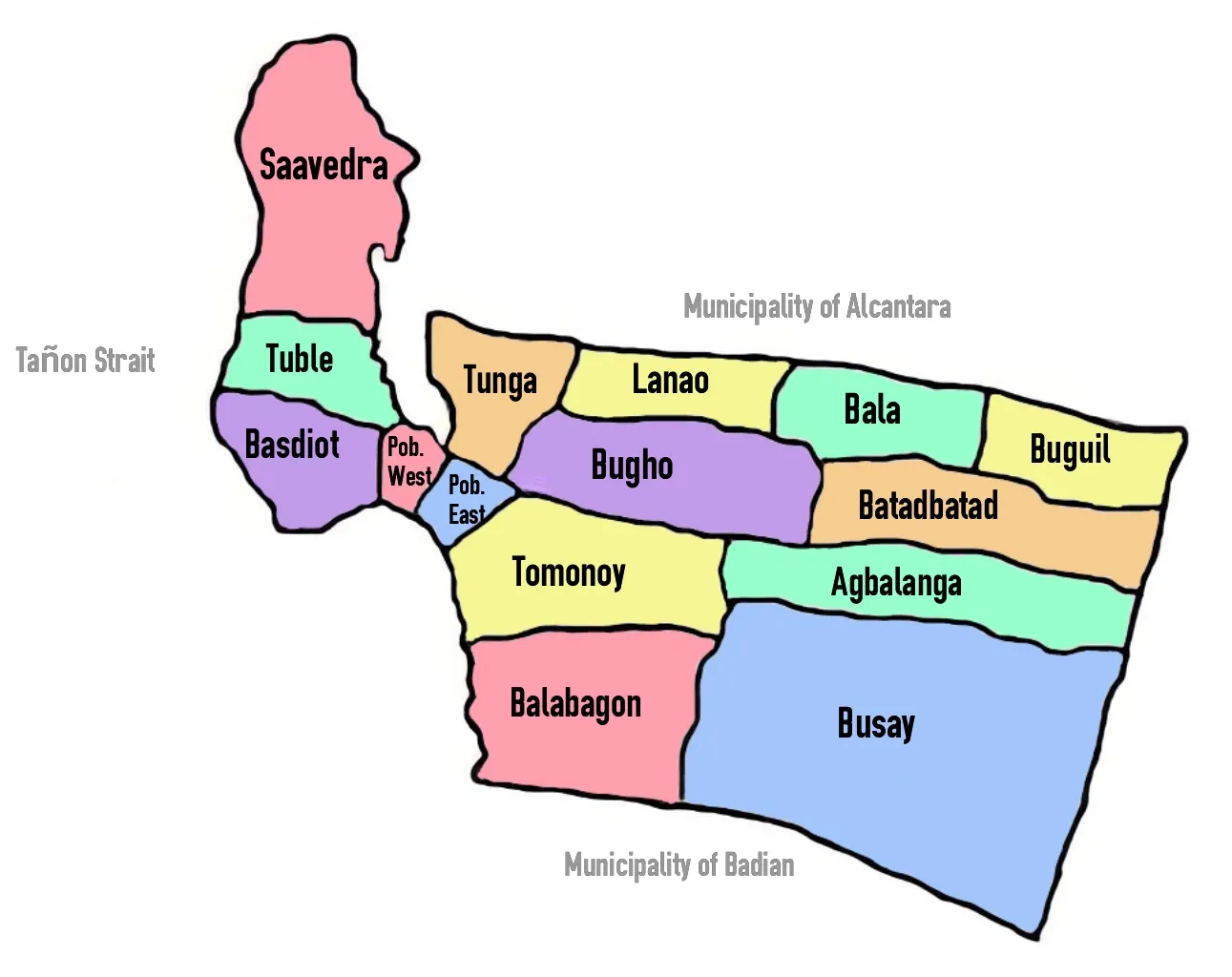
Moalboal is administratively divided into 15 barangays. Panagsama Beach, the main tourist area, is located in Barangay Basdiot. White Beach (Basdaku) is in Barangay Saavedra.
Rhiane Diamond
Town Landmarks
Moalboal LGU
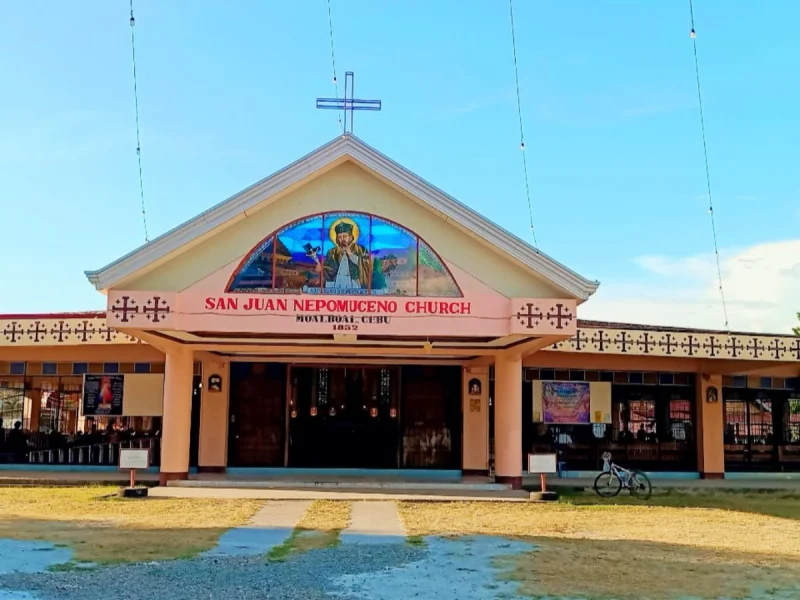
San Antonio de Padua Parish
The historic church in the town center, named after Saint Anthony of Padua.
Moalboal LGU
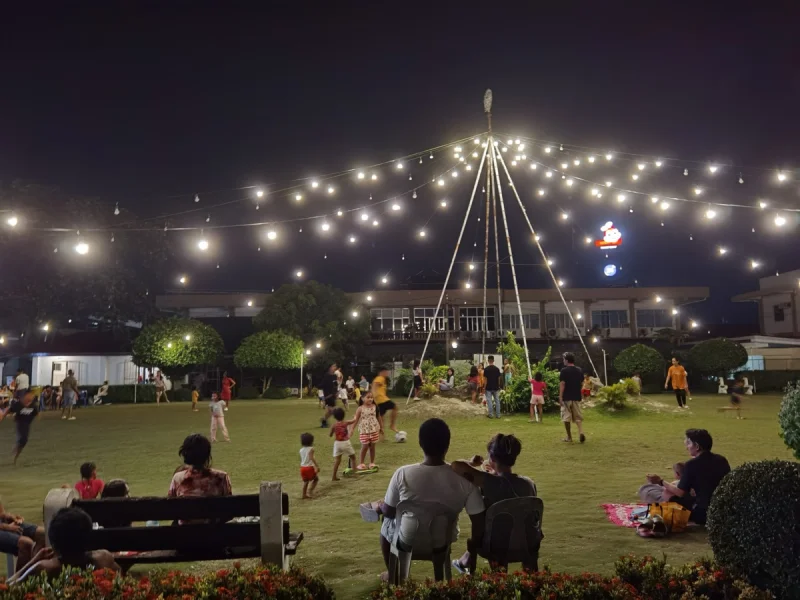
Municipal Plaza
A well-maintained public space in the town center with gardens and landscaped grounds.
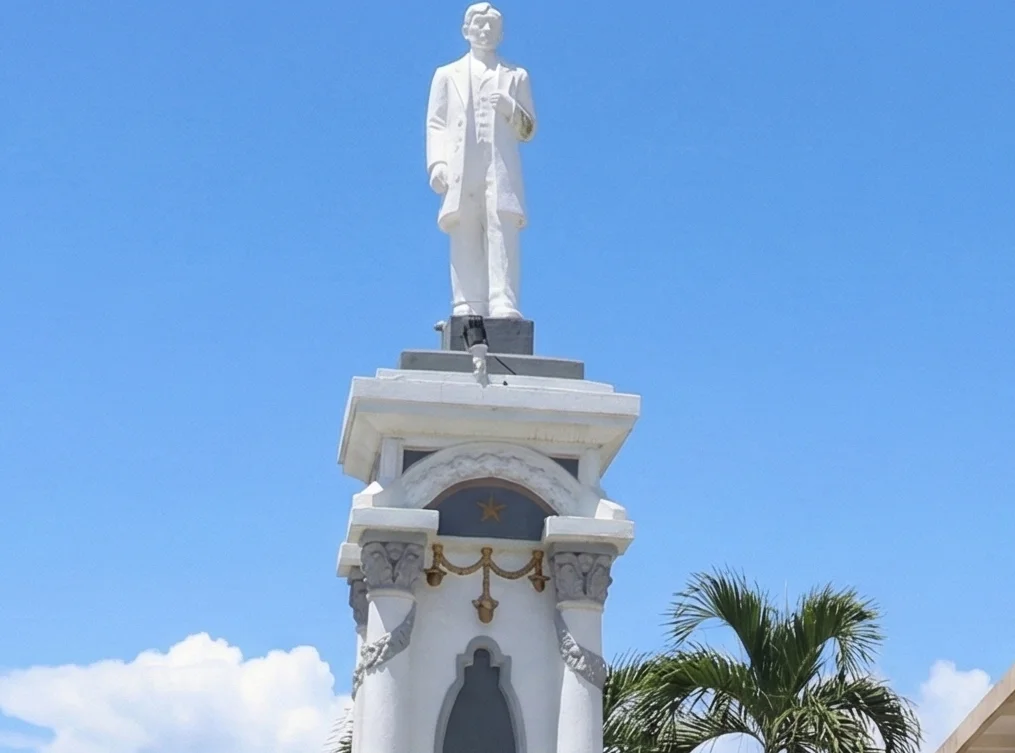
Rizal Monument
A monument honoring national hero Jose Rizal, located in the town center near the Municipal Hall.
Top Attractions
Sardine Run
Swim with millions of sardines swirling just meters from shore at Panagsama Beach. Best experienced early morning (7-9 AM).
Pawikan (Sea Turtles)
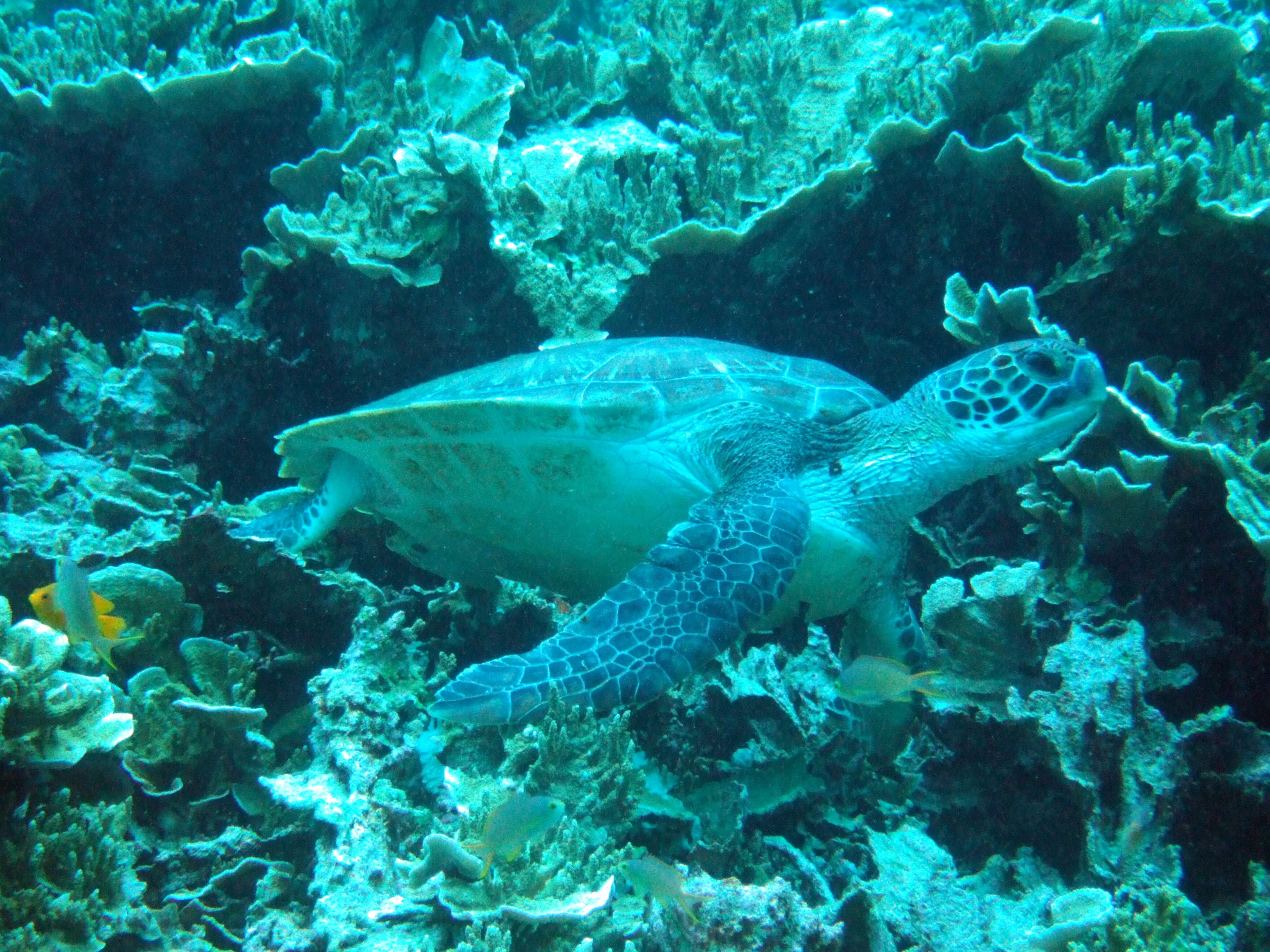
Green and Hawksbill sea turtles, known locally as "pawikan," are commonly spotted near the sardine run area and around Pescador Island.
Pescador Island
A protected marine sanctuary featuring coral gardens, dramatic reef walls, and "The Cathedral" — a stunning underwater cavern starting at 18 meters.
Panagsama Beach
The main tourist hub with restaurants, bars, dive shops, and excellent sunset views facing Negros Island.
White Beach (Basdaku)
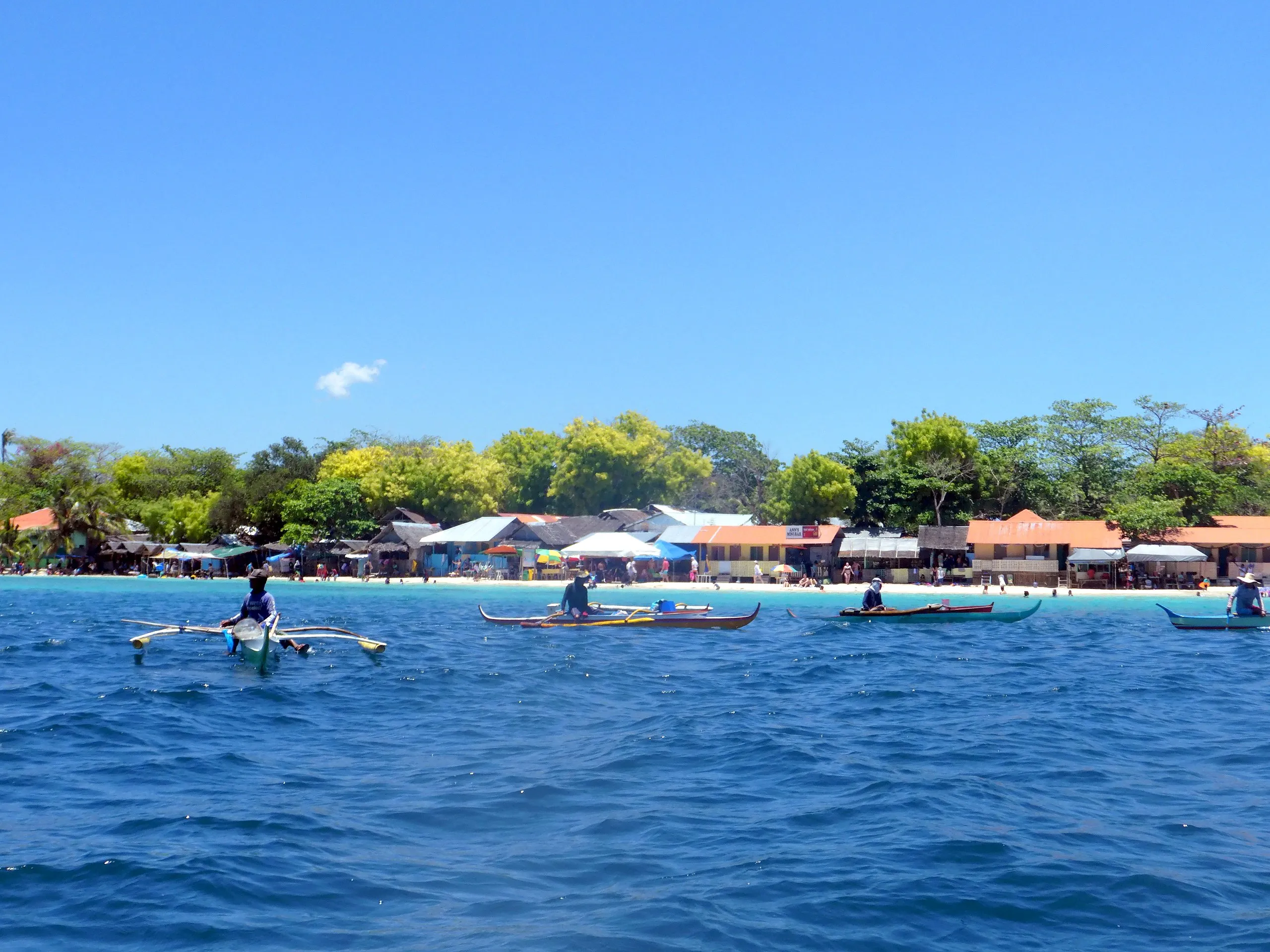
A long stretch of soft white sand with swimming areas, cottages, and local food stalls.
Magpayong Rocks
Unique mushroom-shaped tidal rock formations at the northern end of White Beach in Barangay Saavedra. "Payong" means umbrella in Filipino. Local legend says one rock sounds like a bell when struck.
Mermaid Statue
An underwater statue popular with freedivers, accessible from near Treeshade Resort in Panagsama. A unique photo opportunity beneath the waves.
Marine Sanctuaries
Home to protected areas including Tuble Marine Sanctuary (nudibranchs, pygmy seahorses) and Ronda Bay Marine Sanctuary in Saavedra (giant fan corals).
Airplane Wreck Dive
A two-passenger Cessna plane purposely sunk to create an artificial reef, now a popular dive site for underwater photographers.
Busay Cave & Spring
A natural freshwater spring inside a cave in Barangay Busay, a mountainous area near the Badian border. Believed to be the source of the "bubbling" sound that gave Moalboal its name.
Nightlife & Cafes
Panagsama Road in Basdiot comes alive at night with bars, live music, and street food. Popular spots include Chili Bar, Isla Bar, and numerous cafes catering to divers and digital nomads.
Kawasan Falls
Located in neighboring Badian municipality (30-40 min drive). Many visitors use Moalboal as their base for day trips to the famous turquoise waterfalls and canyoneering adventures.
Economy & Industries
Tourism & Diving
Tourism is the primary economic driver, with over 20 dive sites catering to both beginners and certified divers. Dozens of dive shops, resorts, restaurants, and tour operators serve international and domestic visitors year-round.
Fishing
Traditional fishing remains an important livelihood for coastal barangays. Local fishermen supply fresh seafood to restaurants and markets throughout the region.
Agriculture
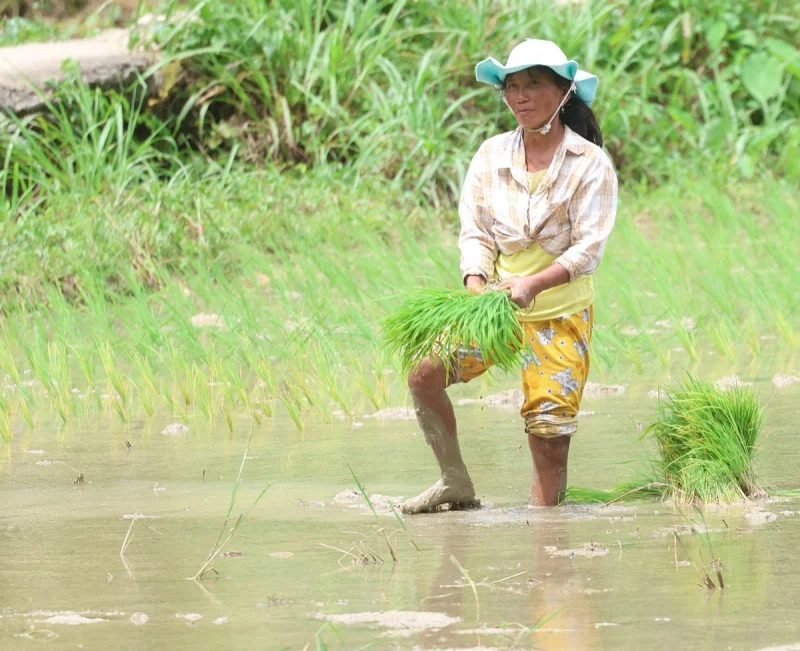
Inland areas are used for farming, including rice, vegetables, and fruit orchards. The municipality is also known for producing quality mangoes and other tropical fruits.
Public Utilities
Electricity
CEBECO 1
Cebu I Electric Cooperative, Inc.
Serving southwestern Cebu since 1976. First energization in Barili; Moalboal coverage completed by 1980.
Facebook Page →Water
Moalboal Water District / Provincial Bulk Water
Municipal water utility serving Poblacion, Basdiot, Tuble, Tomonoy, and surrounding barangays. The Cebu Provincial Government also operates a Bulk Water Supply system that services additional areas.
Facebook Page →Wired Internet
PLDT, Globe Telecom
Fiber and DSL internet available in populated areas. Coverage may be limited in mountainous barangays.
Mobile & Cellular
Smart, Globe, DITO
All three major carriers provide coverage. Smart and Globe have the widest reach; DITO expanding.
Healthcare
BUCAS Facility
NEWBagong Urgent Care and Ambulatory Services
Barangay Bugho, Moalboal • Opened December 28, 2025
DOH program facility bringing health services closer to rural areas. Offers routine non-critical urgent care, dental services, diagnostic services, and eventually cataract operations.
Serves not only Moalboal but neighboring towns in Southern Cebu. All services are FREE.
Local Health Facilities
- •
Moalboal Rural Health Unit
Samboan-Barili Road
- •
Moalboal Birthing Center
Town proper
Nearest Public Hospitals
- •
Badian District Hospital
Badian
- •
Carcar Provincial Hospital
Carcar City
- •
Vicente Sotto Memorial Medical Center
Cebu City
Education
Cebu Technological University - Moalboal Campus
State University • Poblacion West
State university offering free tuition under the Universal Access to Quality Tertiary Education Act (2017).
🏫 Public High Schools
-
Moalboal National High School
Basdiot
-
Busay National High School
Busay
-
Bala National High School
Bala
📚 Integrated Schools
-
Bugho Integrated School
Bugho • Formerly Bugho Elementary School
-
Moalboal Tourism Management Integrated NHS
Balabagon
🎒 Private Schools
-
San Juan High School of Moalboal, Cebu Inc.
Poblacion West
-
Our Lady of Mount Carmel Learning Center
Tunga
-
Moalboal Christian School Inc.
Tunga
-
Nuevo School of Technology and Humanities
Tunga
📖 Elementary Schools
Public schools in Moalboal are administered by one school district under the Schools Division of Cebu Province.
Moalboal Central Elementary School (Poblacion West)
Agbalanga Elementary School
Bala Elementary School
Balabagon Elementary School
Basdiot Elementary School
Batadbatad Elementary School
Buguil Elementary School
Busay Elementary School
Lanao Elementary School
Omay Elementary School (Sitio Omay, Busay)
Saavedra Elementary School
Tomonoy Primary School
Tuble Elementary School
Tunga Elementary School
Tourism Governance
Rationalized Tourism Activities
Moalboal was recognized by the Department of Interior and Local Government (DILG) for its comprehensive tourism management framework. The municipality has implemented clear guidelines for tourism activities to ensure sustainable development while protecting marine resources.
Activities are classified as permitted, regulated, or prohibited, with specific zones designated for diving, snorkeling, and beach activities to prevent overcrowding and environmental degradation.
Tourist Rest Area
A Tourist Rest Area facility by the Department of Tourism and TIEZA along the national highway in Moalboal provides comfort rooms, shower facilities, charging stations, and rest pavilions for visitors heading to the town proper. Amenities include:
- • Clean comfort rooms and shower facilities
- • Charging stations for devices
- • Covered rest pavilions and seating areas
- • Parking spaces for vehicles
Environmental User Fee (EUF)
Visitors to tourist areas are required to pay an Environmental User Fee (EUF) implemented by the Municipality of Moalboal, which funds conservation programs, beach cleanups, and marine sanctuary maintenance. Collection points are located at barangay checkpoints along the main tourist routes.
Click any image to view full size
Tourist Rest Area along the national highway in Moalboal
Festivals & Events
Kagasangan Festival
Celebrated every May 16
Annual cultural, sea, and religious festival celebrating Moalboal's marine biodiversity. "Kagasangan" — from the Cebuano word "gasang" (coral) — refers to an area rich with corals.
Festival Activities
Patron Saint: San Juan Nepomuceno (St. John Nepomucene)
First held in 2009; made a grand return in 2024 after six years.
Language & Religion
Language
Cebuano (Binisaya)
The everyday language of Moalboalanons. English is widely spoken in tourist areas. Filipino and English are taught in schools.
Religion
Roman Catholic
San Juan Nepomuceno Parish • Est. February 6, 1852
Original Spanish-era church (completed 1890) now preserved as ruins; new church built nearby in 2005.
Other denominations:
Moalboal Bible Baptist Church, Glorious King Jesus Assembly
Famous Marine Life

Sardine Run
Millions of sardines form a massive, swirling ball just meters from shore at Panagsama Beach. Visible year-round, best viewed early morning between 7-9 AM.

Pawikan (Sea Turtles)
Green and Hawksbill sea turtles, known locally as "pawikan," are commonly spotted around Pescador Island and the house reefs. Swimming with them is a highlight for many visitors.

Dolphins & Whales
Moalboal sits on Tañon Strait, home to 14 species of whales and dolphins. Spinner dolphins are most common, with occasional sightings of pilot whales, Risso's dolphins, and even Bryde's whales.

Nudibranchs & Macro Life
A paradise for macro photographers with colorful nudibranchs, pygmy seahorses, frogfish, and ghost pipefish at sites like Tuble Marine Sanctuary and Pescador Island.

Rare Pelagic Sightings
Lucky divers occasionally spot thresher sharks hunting the sardine ball, and whale sharks cruising through. These encounters are rare but unforgettable.
Underwater Gallery
Click any image to view full size
Brief History
Origin of the Name
The name "Moalboal" has two etymological theories. The most widely accepted derives from the Cebuano onomatopoeia "bukalbukal" (meaning "bubbling sound"), referencing a natural spring located in the town proper whose bubbling waters gave the area its name. Over time, "bukalbukal" evolved phonetically into "Moalboal."
A less popular theory attributes the name to early settlers from Bohol (Bol-anons), which similarly evolved into the modern spelling. Historical records show spelling variations including "Moalbual" (in Redondo's ecclesiastical records) and "Mualbual" (in Buzeta and Bravo's geographic dictionary and church records from 1926-1949), suggesting the orthography gradually transformed to today's "Moalboal."
From Fishing Village to Dive Destination
Before Spanish colonization, the area was inhabited by indigenous Filipinos who lived primarily as fishermen and farmers. The Spanish colonial period saw the establishment of Moalboal as a formal municipality.
Moalboal remained a quiet fishing village for centuries until the 1980s when scuba diving pioneers discovered the area's exceptional underwater visibility and marine biodiversity. The first dive shops opened, and word spread among the international diving community.
In 1984, Typhoon Nitang devastated the original house reef near Panagsama Beach. Remarkably, the sardines that once inhabited the area near the town center relocated to the shore of Panagsama Beach, creating the famous sardine run that draws visitors today.
Today, Moalboal has transformed from a fishing village into one of the Philippines' top diving destinations while maintaining its laid-back, community-oriented character.
Money & Banking
Banks & ATMs
- ATM
Landbank of the Philippines
Gaisano Town Center, Poblacion East
- ATM
BDO Network Bank
Town proper
- ATM
BPI BanKO
Town proper
- ATM
PNB Moalboal
Town proper
-
Rural Bank of Barili - Moalboal Branch
Town proper
- ATM
Cebuana Lhuillier
Multiple locations
Government Payments
Government offices (LGU, barangays, utilities) accept cash or Manager's Cheques only. eGov payment facilities have not yet been fully implemented in the municipality.
Digital Wallets
Widely accepted but require Philippine SIM and ID verification. Many establishments prefer cash.
Tips for Travelers
- • Multiple ATM options available in town (Landbank, BDO, BPI/EuroNet, PNB, Cebuana)
- • Consider withdrawing extra cash for remote areas or weekends
- • Card acceptance is limited outside resorts and larger establishments
- • GCash/Maya useful for some transactions if you have a local SIM
Currency: Philippine Peso (PHP). ATMs may occasionally run out of cash or experience power outages. Consider withdrawing sufficient cash in Cebu City before traveling.
Data Sources
Information compiled from the Philippine Statistics Authority (PSA) 2020 Census, Municipality of Moalboal official records, PhilAtlas geographic data, and local government sources.
Found outdated or incorrect information? Suggest an edit